A Guide to Investing in Punta Cana Real Estate
Investing in Punta Cana real estate offers foreign buyers a secure legal framework, significant tax advantages, and strong rental income potential. For buyers at Puerto Marina, this means acquiring a hard asset in a prime Cap Cana location, with benefits established under Dominican law to encourage tourism investment.
Can I own property outright as a foreign investor?
Yes. The Dominican Republic provides robust legal protection for foreign property owners, granting the same rights and protections as Dominican citizens. You can hold direct, fee-simple title to your residence at Puerto Marina in your personal name, or through a structure like an LLC or a trust. No special permits, local partners, or Dominican citizenship are required to purchase, own, or sell property. This straightforward ownership model is a key reason why international investors choose Punta Cana.
What tax advantages does a CONFOTUR property offer?
Puerto Marina is a CONFOTUR-approved project, which provides significant tax benefits to its first buyers under Law 158-01. This law is designed to promote tourism development and makes investing here more financially attractive. The two primary benefits are an exemption from the one-time 3% property transfer tax at the time of purchase and an exemption from the 1% annual property tax (IPI). The law provides for a fifteen-year IPI exemption for qualifying projects. These exemptions must be filed for and recorded on the property title; they are not automatic. Your attorney will handle this process and confirm how the benefits apply to your specific purchase.
| Tax | Standard Rate | Benefit at a CONFOTUR Project |
|---|---|---|
| Property Transfer Tax (ITP) | 3% of property value | Exempt |
| Annual Property Tax (IPI) | 1% on value above an exempt threshold | Exempt |
If I rent out my condo, how is the income taxed?
Many owners at Puerto Marina plan to generate rental income, especially through the optional, hands-off managed rental program which projects a 10-12% annual ROI. It's important to understand how this income is taxed. What is documented is that the CONFOTUR exemptions attach to the property taxes described above, and that rental earnings are assessed under a separate part of the Dominican tax code; how the two meet on a particular purchase is a question for your attorney. For non-resident owners, rental income is subject to a 27% withholding tax on the gross rental revenue, with no deductions. Additionally, short-term tourist rentals are subject to an 18% value-added tax known as ITBIS. These tax obligations are the responsibility of the property owner. An attorney or accountant in the Dominican Republic can provide guidance on compliance and reporting.
Why is Cap Cana a strategic location for an investment property?
Location is paramount for any real estate investment, and Puerto Marina's address inside the private, gated community of Marina Cap Cana is one of its strongest assets. Cap Cana is known for its world-class infrastructure, security, and luxury amenities. Owners at Puerto Marina are just a 4-minute drive from the famous Juanillo Beach and steps from the yacht marina with its restaurants and boutiques. The community's exclusivity supports higher nightly rental rates and property values. Furthermore, Punta Cana International Airport (PUJ) is only a 20-minute drive away, providing easy access for visitors.
What makes Puerto Marina itself a strong investment?
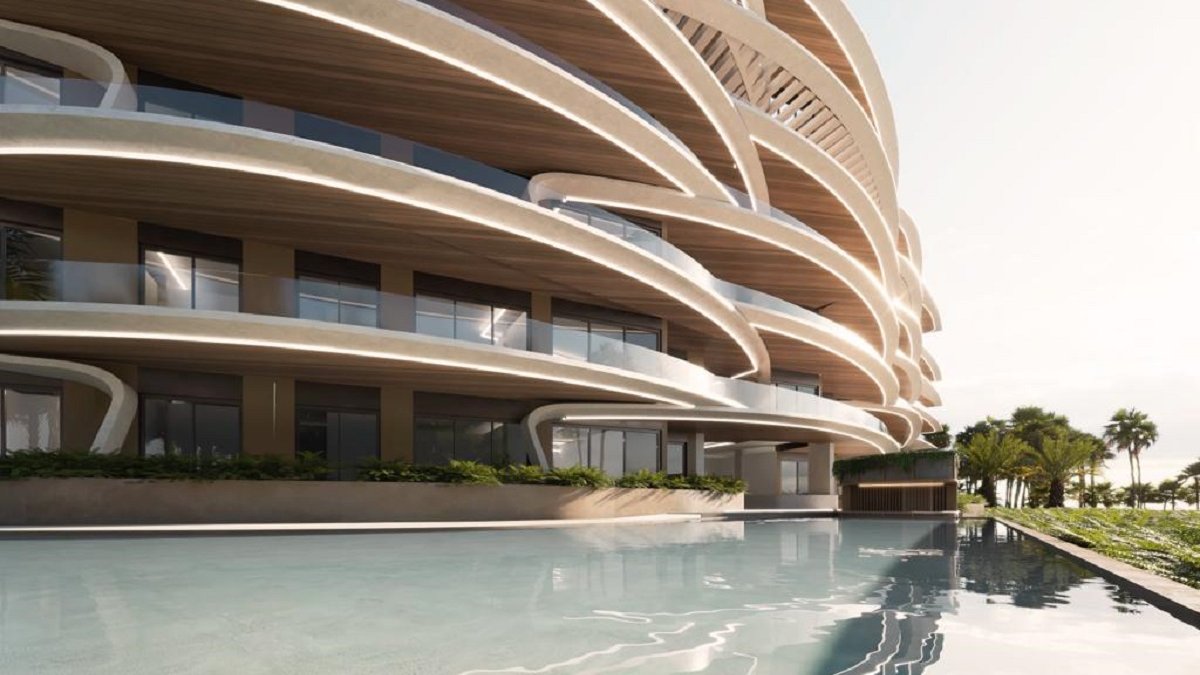
Beyond the location and tax benefits, Puerto Marina is a compelling asset in its own right. The project consists of just 97 exclusive residences, ensuring a boutique community feel. It's developed by Utopía Development, a firm with more than 10+ years of experience and a portfolio of over $100M+ in projects in the Dominican Republic. With delivery scheduled for 2029, buyers are investing at pre-construction prices in a new-build property that will meet modern standards. Unique amenities like a private lake beach just 660 feet from the sea, three pools, and a private cinema further enhance its appeal to both lifestyle buyers and high-end rental guests.
Common questions
- Does buying a property at Puerto Marina grant me residency?
- While property ownership can be part of a residency application, it does not automatically grant it. The Dominican Republic has several residency programs, including one for investors and another for individuals with passive income (rentistas). Your attorney can advise on whether your purchase at Puerto Marina, with residences starting from the mid $500,000s, can support an application under the current regulations.
- What is the difference between property tax (IPI) and rental income tax?
- Property tax (IPI) is an annual tax on the value of the real estate itself. Rental income tax is a tax on the revenue you earn from renting out that property. The CONFOTUR exemption we can source for Puerto Marina buyers attaches to the property tax (IPI); the tax on rental income is assessed separately, and your attorney can tell you how the two meet on your purchase.
Want the details for your own situation?
Ask about availability, layouts or the buying process, and someone from the sales team will get back to you.
Get in touch