Punta Cana or Cancun: Which is Better for a Real Estate Investor?
For a real estate investor, the choice between Punta Cana and Cancun hinges on lifestyle: Punta Cana, particularly within master-planned communities like Cap Cana, offers a private, secure, resort-style experience, whereas Cancun provides a high-energy, public-facing urban tourism model. The 'better' destination depends entirely on whether you seek an exclusive enclave or a bustling city.
How do the destinations differ: a private community or a public city?
The most significant difference for a property owner is the fundamental design of each location. Cancun's world-famous Hotel Zone is a high-density strip of hotels, resorts, and public beaches. While vibrant and full of energy, it's a model built primarily for transient tourism, with a more urban and public feel.
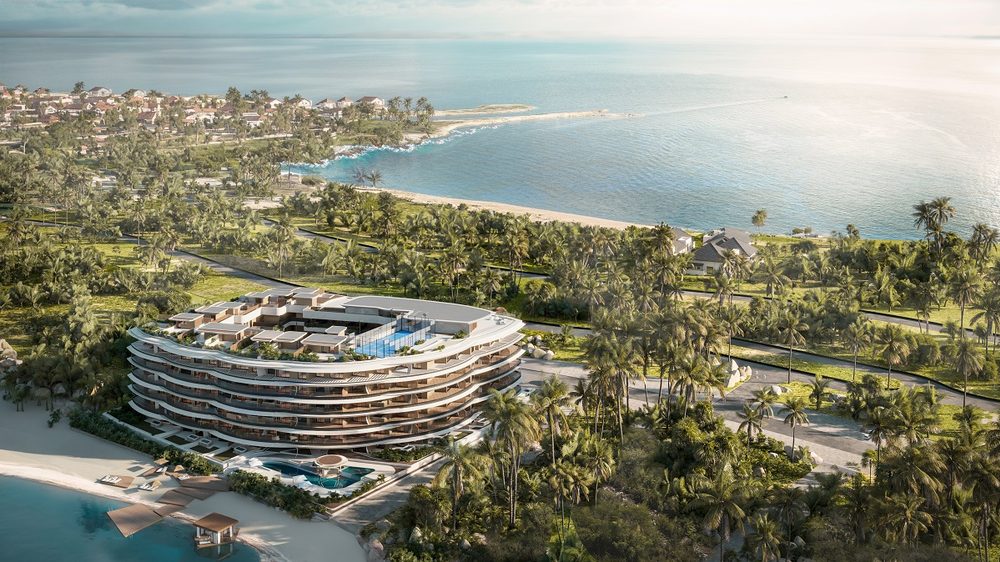
Punta Cana, and specifically Cap Cana where Puerto Marina is located, represents a different philosophy. Cap Cana is a private, gated, master-planned community. This creates a more controlled, secure, and exclusive environment. The infrastructure, amenities, and access are designed with residents and owners in mind, not just tourists. Instead of a single strip, it's a sprawling area of low-density residences, golf courses, a marina, and private beaches, offering a quieter, more relaxed pace of life.
What are the tax differences for foreign property owners?
Tax implications are a critical factor for any international real estate investment. The Dominican Republic offers a powerful incentive for buyers in qualifying tourism projects through its CONFOTUR law (Law 158-01).
As a CONFOTUR-approved project, Puerto Marina offers its first buyers significant tax benefits. This includes an exemption from the 3% property transfer tax at the time of purchase and an exemption from the 1% annual property tax (IPI) for a period defined by the law. The IPI is normally levied on the value of a property above an annually adjusted threshold. These exemptions can substantially impact an owner's net returns over the life of the investment. Mexico's tax structure for foreign property owners is different and does not have a single, nationwide incentive program equivalent to CONFOTUR. Tax obligations vary by state and municipality.
| Consideration | Dominican Republic (Punta Cana) | Mexico (Cancun) |
|---|---|---|
| Property Transfer Tax | 3% (Exempt for first buyers at CONFOTUR projects like Puerto Marina) | Varies by state. Consultation with a local attorney is required. |
| Annual Property Tax | 1% on value above an exempt threshold (Exempt for first buyers at CONFOTUR projects) | Varies by municipality. Consultation with a local attorney is required. |
| Key Incentive Program | CONFOTUR (Law 158-01) for approved tourism developments. | No direct nationwide equivalent. Tax laws are local and federal. |
What is the day-to-day lifestyle like for a resident?
Day-to-day life in Cap Cana is defined by privacy and access to exclusive amenities. As a resident of Puerto Marina, you are inside a secure, gated community. Your amenities—like the private lake beach, the three pools, the fitness center, and the padel court—are for the use of residents and their guests. It's a lifestyle centered on tranquility and convenience, where you can walk from your condo to the marina or a private beach in minutes. The community is designed to feel like a self-contained luxury resort that you own a piece of.
In Cancun, life for a property owner in the Hotel Zone is more integrated with the public tourism infrastructure. While many condo buildings have their own pools and facilities, the beaches, restaurants, and entertainment venues are largely public and shared with millions of tourists each year. This offers immense variety and energy but less of the privacy and exclusivity found in a master-planned community like Cap Cana.
How do building standards and storm preparedness compare?
Both regions are in the Atlantic hurricane belt, making construction quality a non-negotiable factor. The Dominican Republic addresses this with a mandatory national building code. The 2026 code update (MIVHED Resolucion num. 007-2026) requires that all structures be designed to resist specific minimum wind loads. This means that robust construction isn't an optional upgrade; it's a legal requirement for developers.
While Mexico also has building codes that vary by region, the Dominican Republic's clear, nationwide mandate provides a consistent standard for buyers to rely on. For any property purchase in a storm-prone area, an investor should always have their attorney confirm that the development complies with all current local and national building regulations.
How does Puerto Marina exemplify the Cap Cana advantage?
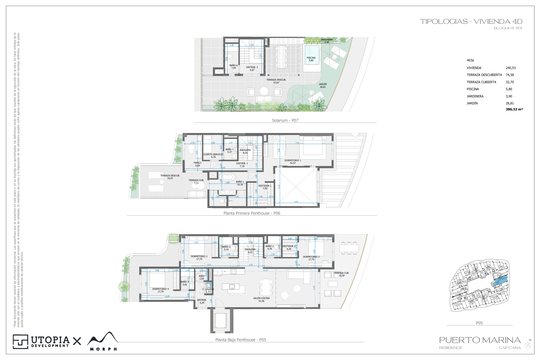
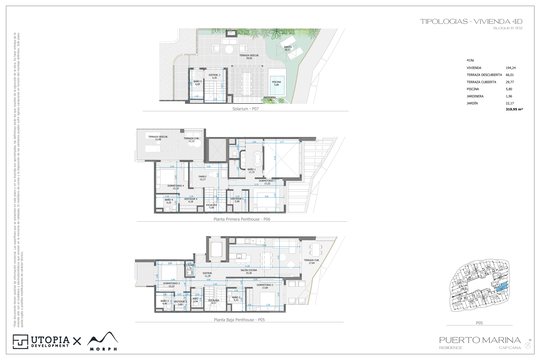
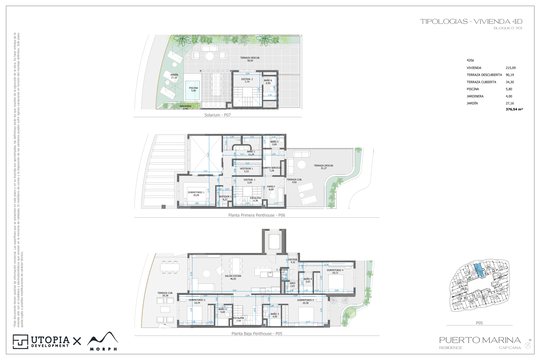
Puerto Marina is a perfect illustration of why investors choose the Cap Cana model. It is a pre-construction community of just 97 residences, ensuring a boutique and intimate feel. The project is being developed by Utopía Development, a builder with over 10+ years of experience and a $100M+ project portfolio in the Dominican Republic. With delivery scheduled for 2029, it represents a modern take on Caribbean luxury.
Located just 660 ft from the sea within the gated Marina Cap Cana, it offers a level of security and privacy that is the hallmark of the community. With residences starting from the mid $500,000s and CONFOTUR tax benefits approved, it combines the lifestyle advantages of a private enclave with a financial structure designed to appeal to foreign investors. It's not just a condo; it's a stake in one of the Caribbean's most exclusive master-planned destinations.
Common questions
- Is it safer to invest in Punta Cana or Cancun?
- Both are major tourist destinations with dedicated security infrastructure. However, the model is different. Cap Cana, where Puerto Marina is located, is a large, private, gated community with its own security, which provides a controlled environment distinct from the public nature of Cancun's Hotel Zone. Your attorney can provide further details on property security.
- Can a foreigner get clear title to property in both countries?
- Yes, both the Dominican Republic and Mexico permit foreign ownership of property. In the Dominican Republic, foreigners can hold direct, fee-simple title with the same rights as a citizen. The process is straightforward and is a key reason for the country's appeal to international buyers.
- Which destination is easier to travel to?
- Both Punta Cana (PUJ) and Cancun (CUN) have major international airports with excellent connectivity from North America and Europe. Punta Cana International Airport is only a 20-minute drive from Puerto Marina, making access exceptionally convenient.
Want the details for your own situation?
Ask about availability, layouts or the buying process, and someone from the sales team will get back to you.
Get in touch