Your Guide to Retiring in the Dominican Republic
Yes, retiring in the Dominican Republic is an accessible and popular path for foreigners, supported by established residency programs for pensioners and individuals with passive income. A residence at Puerto Marina, set for delivery in 2029, offers a secure, amenity-rich home base in Cap Cana from which to enjoy your retirement, while benefiting from significant tax incentives.
What are the main residency paths for retirees?
The Dominican Republic offers two primary residency programs for retirees under Law 171-07, designed for individuals who can demonstrate a stable income from a foreign source. These special visas, known as the Pensionado and Rentista programs, provide a clear and advantageous path to residency for those looking to make the DR their home.
The Pensionado visa is for those receiving a monthly pension or retirement income, while the Rentista visa is for individuals with stable income from investments, rentals, or other passive sources. Both routes offer the same benefits, including a streamlined process for obtaining permanent residency. An attorney specializing in Dominican immigration law can advise on which path best suits your financial situation and guide you through the application process.
| Requirement | Pensionado (Retiree) Visa | Rentista (Passive Income) Visa |
|---|---|---|
| Minimum Monthly Income | $1,500 USD | $2,000 USD |
| Source of Income | Guaranteed pension or retirement fund | Stable passive income (e.g., investments, rentals) |
| Governing Law | Law 171-07 | Law 171-07 |
| Primary Benefit | Streamlined path to permanent residency | Streamlined path to permanent residency |
Can buying a property fast-track my residency or citizenship?
Owning property can be a component of your long-term plans in the Dominican Republic, but it's important to understand how it intersects with residency and citizenship laws. The country does not offer a direct citizenship-by-investment program where purchasing a property automatically grants a passport.
However, under Dominican Naturalization Law 1683, there is a provision for an expedited naturalization process for foreigners who own real property in the country. This path allows for applying for citizenship after only six months of uninterrupted residence. Your attorney can clarify what constitutes 'uninterrupted residence' and whether this privileged route, which has an annual cap, is applicable to your situation.
Separately, an investment residency program exists with a minimum threshold of $200,000 USD. However, sources conflict on whether a real estate purchase alone qualifies, and at what value. Therefore, it cannot be stated that purchasing a condo at Puerto Marina automatically qualifies you for this program. Your legal counsel is the only one who can provide definitive advice on this matter.
What tax benefits apply to retirees owning at Puerto Marina?
Owning a residence at Puerto Marina comes with significant tax advantages thanks to its approval under CONFOTUR (Law 158-01). This law is designed to promote tourism development and offers substantial tax relief to first-time buyers of qualifying properties.
First, as a buyer at Puerto Marina, you are exempt from the one-time 3% property transfer tax due at closing. Second, the law provides for an exemption from the 1% annual property tax (IPI) for a period of fifteen years for the project. The IPI is only levied on the value of a property above an annually adjusted threshold, but the CONFOTUR exemption removes this liability entirely for the duration it applies. The specific application of this exemption to your unit should be confirmed by your attorney, who will ensure it is correctly filed and recorded on your title.
It is important to note that these benefits apply to property taxes. Income generated from renting your property is taxed separately. For non-residents, rental income is subject to a 27% withholding tax on the gross amount.
What does the retirement lifestyle look like in Cap Cana?
Retiring in Cap Cana means choosing a lifestyle of security, luxury, and convenience. Puerto Marina is located within the gated community of Marina Cap Cana, just a 20-minute drive from Punta Cana International Airport (PUJ), the point of entry for 71.9% of the Dominican Republic's foreign arrivals in 2025. That keeps travel for you and your family short at both ends.
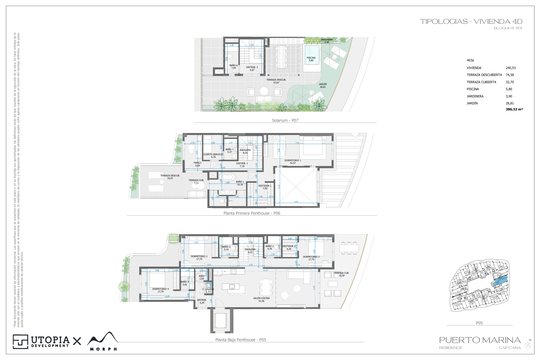
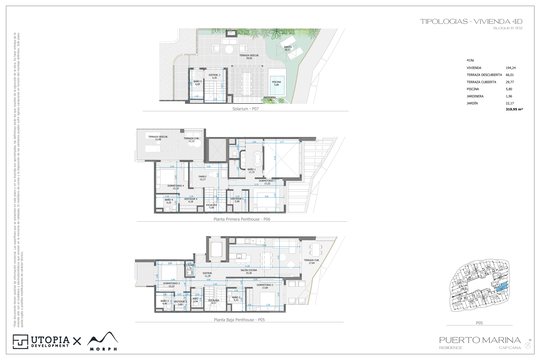
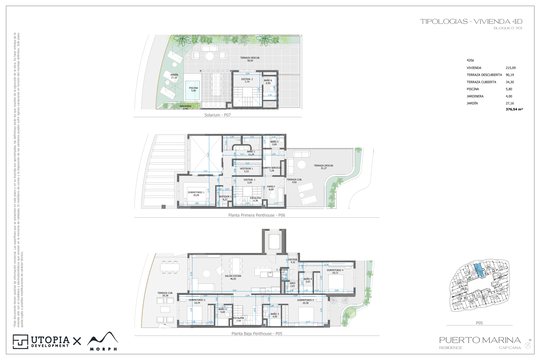
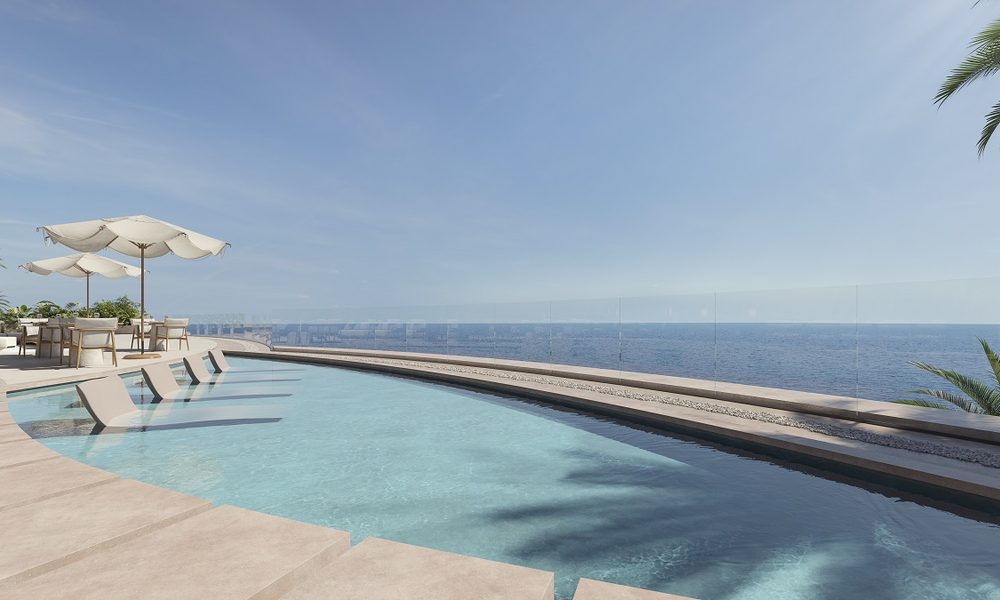
Daily life at Puerto Marina, with residences starting from the mid $500,000s, revolves around the amenities on site. Owners have access to a private lake beach just 660 feet from the sea, a beachfront infinity pool, and a rooftop panoramic pool. The community also includes a fitness center and spa, a private cinema, and a padel court. With 97 residences in total, the community offers an exclusive and tranquil environment. For those who wish to generate income from their property, an optional managed rental program is available.
How does the residency application process generally work?
While the specifics can vary, the general path to obtaining residency in the Dominican Republic follows a clear sequence. The first and most critical step is to engage a qualified Dominican immigration attorney to handle your case.
-
Engage Legal Counsel A Dominican attorney will verify your eligibility for your chosen residency path (e.g., Pensionado or Rentista) and compile the necessary documentation, which often includes birth certificates, proof of income, and background checks.
-
Apply at a Dominican Consulate Your attorney submits the completed application file to a Dominican consulate in your country of residence. Upon approval, a residency visa is stamped into your passport, allowing you to enter the DR to finalize the process.
-
Finalize Residency In-Country Within the visa's validity period, you travel to the Dominican Republic. Here, you will complete a medical examination and provide fingerprints. The immigration authorities will then issue your first temporary residency card, typically valid for one year.
-
Renew and Apply for Permanency After the initial year, you will renew your residency. Following several years of temporary residency, or on an expedited basis under certain programs like Law 171-07, you can apply for permanent residency.
Common questions
- Is dual citizenship permitted in the Dominican Republic?
- Yes, the Dominican Republic permits dual citizenship. As stated in Article 20 of its Constitution, Dominicans can acquire a foreign nationality without losing their Dominican nationality. Similarly, foreigners can become Dominican citizens without being required by Dominican law to renounce their original citizenship.
- Do I need to be a resident to buy property at Puerto Marina?
- No, you do not need to be a resident or citizen to purchase property. The Dominican Republic allows foreigners to buy and own real estate with the same rights and protections as Dominican citizens. The entire purchase process can be completed without a residency permit.
- What is the difference between residency and tax residency?
- Holding a residency permit does not automatically make you a tax resident. Tax residency in the Dominican Republic is generally established by spending more than 182 days in the country during a fiscal year. An attorney or tax advisor can explain the implications based on your personal circumstances and time spent in the country.
Want the details for your own situation?
Ask about availability, layouts or the buying process, and someone from the sales team will get back to you.
Get in touch