Dominican Republic Real Estate in Punta Cana: National Law and the Project's Own Rules
Real estate in Punta Cana is governed by two separate rulebooks, and most of the confusing advice a foreign buyer collects comes from mixing them up: Dominican national law, which reads the same in every province, and the individual project's own recorded documents, which differ from one building to the next. National law settles the tourism-incentive regime, the public shoreline and the construction code; the project settles whether you may let your residence by the week, what the condominium charges, and whether a tax exemption was ever recorded against your unit. Working out which layer owns your question is what tells you who can actually answer it.
Why “Dominican Republic” and “Punta Cana” are two questions inside one search
People searching for Dominican Republic real estate in Punta Cana are usually asking two things at once, and the two have different answers from different people. One half of the phrase is a country: statutes and a tax code that apply identically in Santo Domingo, in Puerto Plata and in La Altagracia province. The other half is a place, and in practice a place means one specific project — a named development with its own condominium documents, its own recurring charges and its own incentive status.
Sorting a question into the right layer before you ask it saves most of the trouble. A statute question belongs to a Dominican attorney. A question about what you will owe belongs to an attorney or an accountant dealing with the DGII, the Dominican tax authority. A question about one building is answered only by that building's paperwork, and a sales conversation is not paperwork. The bad advice a buyer accumulates is rarely a lie; it is usually a confident answer delivered from the wrong layer.
| The question | Layer that decides it | Where the answer lives |
|---|---|---|
| Can a foreign buyer hold the title directly? | National law | A Dominican attorney |
| Is the transfer tax exempt on this unit? | National law, then this project's filing | The project's CONFOTUR resolution, read by your attorney |
| May I let it out by the week? | This project | The condominium declaration and house rules |
| Who owns the sand in front of it? | National law | Ley 305 of 1968 and the registered title plan |
| What will the building cost me each year? | This project | The condominium budget and bylaws |
What national law has already settled before you pick a building
Several national instruments do the heavy lifting, and none of them is a developer's to negotiate.
The tourism-incentive regime. Law 158-01, the Dominican statute that promotes tourism development, amended by Law 195-13, is what buyers mean when they say CONFOTUR. For an approved project it exempts first acquirers from the 3% property-transfer tax and from the 1% annual property tax, the IPI — which is in any case charged on the slice of value above a threshold that moves each year, not on the whole value. The exemption period the law sets for qualifying projects is 15 years, and Article 7 ties the start of that clock to when construction is finished, not to the day you sign. Two limits matter more than the headline. The benefit is written for first buyers acquiring from the developer, so a purchase from a previous owner sits outside it. And it has to be applied for and registered against the title before it does anything at all — a qualifying unit does not carry it automatically.
The shoreline. Ley 305 of 1968 places the coastal maritime zone — roughly the first 200 feet inland from the high-tide line — in public ownership, and public ownership here means it cannot be sold. No development anywhere on this coast can convey private beach to a buyer. What can be privately owned is the land behind the strip, which is why an operator may lawfully control the path, the parking and the loungers while the sand stays public. Read every beach promise as a statement about access, never about ownership.
The construction code. The national code, made official by MIVHED Resolution 007-2026, sets mandatory minimum requirements across the country and requires structures to be designed for wind loading. That is a floor applying to a project in Punta Cana exactly as to one anywhere else in the Dominican Republic; what any particular building was engineered to is a question for that project's own engineer, and no web page should answer it for you.
Letting. Nothing in national law forbids letting a residence to short-stay guests. Whether you actually can is decided one layer down.
What the project decides, and why two buildings on one road answer differently
Everything above is fixed for the whole country. What is not fixed is the document set of the building you actually buy into, and that is where two addresses a mile apart start giving opposite answers.
Short-term letting. National law permits it; what binds you is the individual condominium's own rules, which may restrict or forbid what the statute allows. This is the question most often answered from the wrong layer, because “it is legal in the Dominican Republic” is perfectly true and completely irrelevant if the building you bought into says no. Ask for the condominium declaration and the house rules in writing, and read the letting clause yourself.
Incentive status. CONFOTUR attaches to a project, not to a country and not to a neighbourhood. Whether the resolution exists for the development in front of you, and whether the exemption will be recorded against the particular unit you are buying, are two separate documentary questions, and the second one is the one people forget to ask.
The recurring bill. What the condominium charges each year, what that covers and how it is voted are set by the project's own budget and bylaws. There is no national figure, so anyone quoting you one as a rule of thumb has invented it.
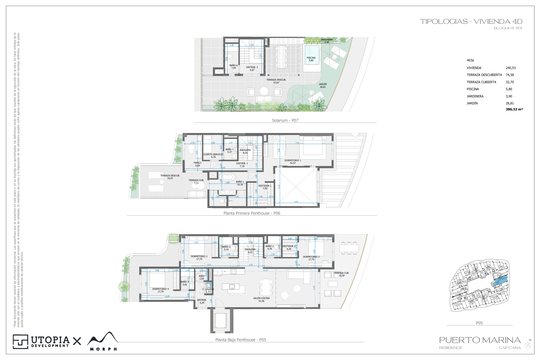
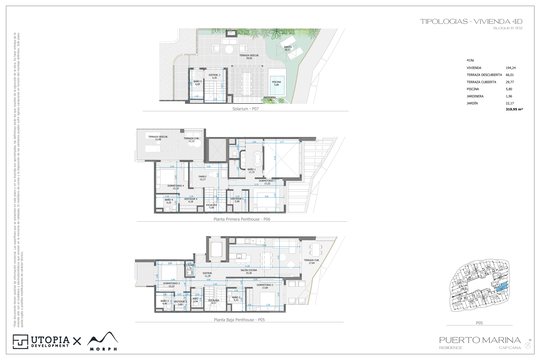
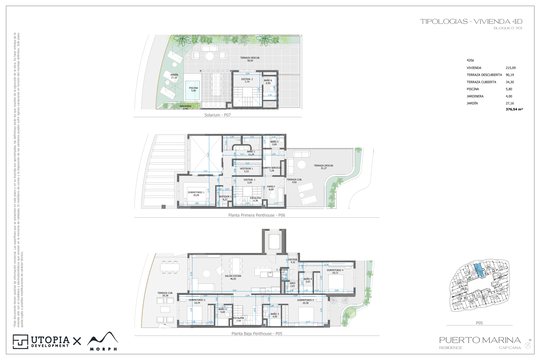
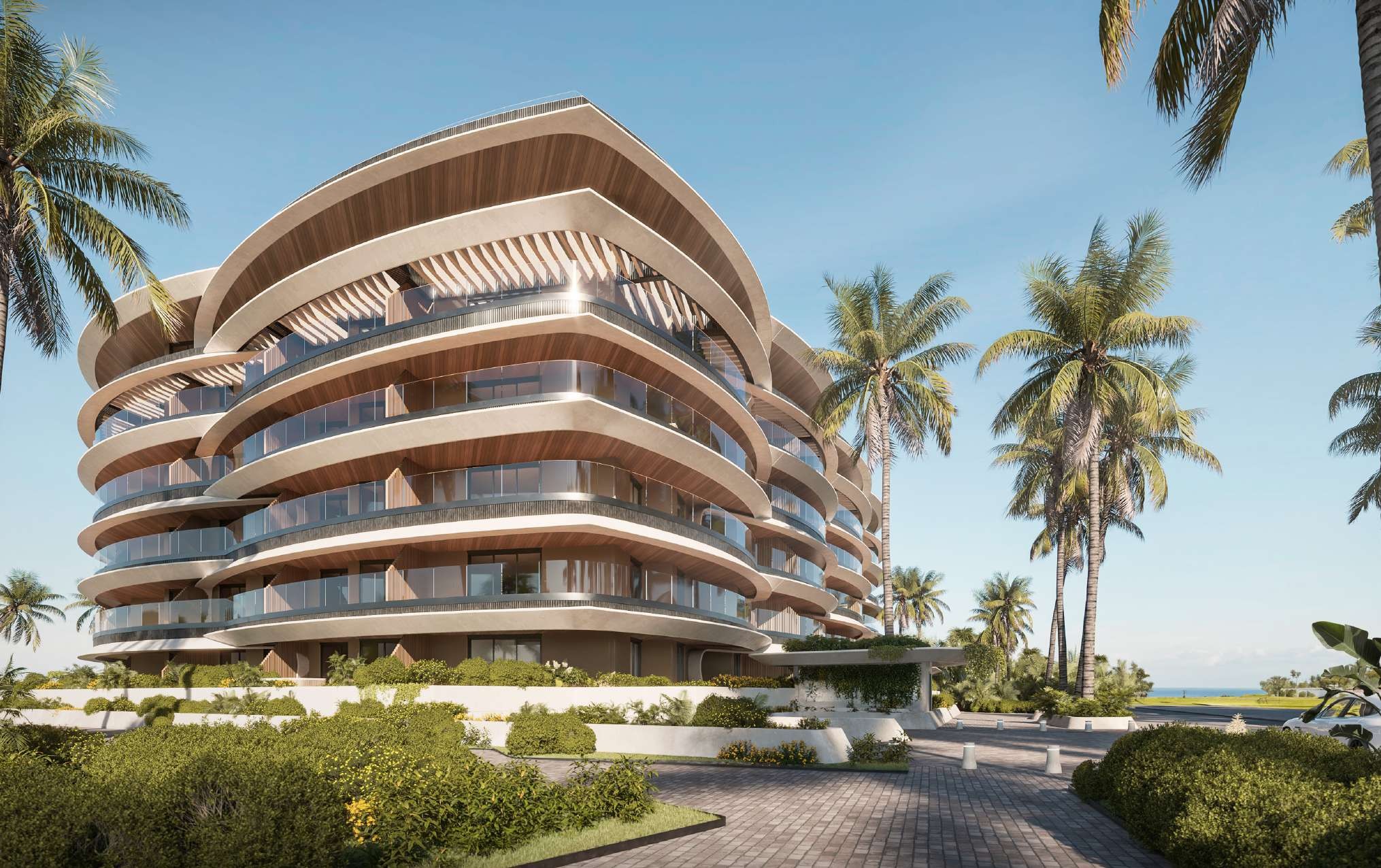
What the project physically is. Puerto Marina is a single building of 97 residences inside Marina Cap Cana, in Punta Cana, with three pools, a private lake beach 660 ft from the sea, and delivery scheduled for 2029, from the mid $500,000s. Those are project-layer facts: they are true of this address and of no statute, and each of them should be traceable to a document rather than to a brochure adjective.
The tax layer sits with the DGII, and it is not the same thing as the incentive
A third layer sits slightly apart from both: what you owe once the residence is earning. CONFOTUR is an exemption from the transfer tax and from the IPI. Earnings from letting are assessed separately under the tax code, and how the two meet on a particular purchase is a question for your attorney rather than for any page on the internet.
Two figures a non-resident owner should know before modelling anything. Payments made abroad to a non-resident carry a 27% income-tax withholding, taken on the gross with nothing deducted first. And short-term tourist accommodation falls within the scope of ITBIS at 18%, while housing let for ordinary permanent living is treated differently under Article 344 of the tax code. Collecting and remitting that ITBIS is the responsibility of the owner running the letting, not of the platform that took the booking — a 2025 decree that would have had platforms withhold at source was enacted and then repealed. Rates change, so confirm both with a Dominican accountant for the year you are actually in.
One thing not to accept as settled: a national registry for tourist accommodation has been publicly consulted on but is not in force as of 2026, so treat anyone telling you registration is already compulsory as speaking ahead of the law.
How to route your own question, in order
None of this requires you to become an expert in Dominican property law. It requires you to notice which layer you are in, and to insist the answer come from that layer's paperwork rather than from whoever is nearest.
-
Write the question down In one sentence, with no property in it yet. “May a foreign buyer hold title in their own name?” is a statute question. “May I let this unit by the week?” only looks like one.
-
Route it to a layer Statute and registry to a Dominican attorney; anything you will owe to an attorney or an accountant working with the DGII; anything about this building to the building's own documents.
-
Ask for the CONFOTUR resolution itself Not the assurance that a project “has CONFOTUR”, but the resolution, plus written confirmation of how the exemption is to be recorded against the unit you are buying.
-
Ask for the condominium declaration and house rules In writing, and early. The letting clause, the alteration clause and the pet clause are decided here and in no other document.
-
Have an attorney of your own read all of it Someone whose only client is you. A foreign buyer reading a Spanish-language title file unaided is not that, and neither, however helpful, is the seller's counsel.
Common questions
- Is property law different in Punta Cana from the rest of the Dominican Republic?
- The instruments named on this page are national ones, not Punta Cana ordinances: Law 158-01 with its amendment by Law 195-13, Ley 305 of 1968 on the maritime zone, and the national construction code made official by MIVHED Resolution 007-2026. What genuinely changes with location is the project layer — the condominium rules, the charges and the incentive filing of the one building you buy into. That is why two developments in the same district can answer the same question differently.
- Is the beach in front of a Punta Cana development private?
- It cannot be. Under Ley 305 of 1968 the maritime zone, roughly the first 200 feet inland from the high-tide line, is public property and is not capable of being sold. The land behind that strip can be privately held, so an operator may control the walkway, the parking and the sun loungers while the sand itself stays public — which is why a beach promise should always be read as a question about practical access.
- If I buy from another owner rather than from the developer, do I inherit the CONFOTUR exemption?
- The benefit is written for first acquirers buying from the developer, so a resale purchase sits outside it. It is also not automatic even for a first buyer: it has to be applied for and registered against the title. Ask your own attorney to confirm the status recorded for the specific unit before you rely on it.
Want the details for your own situation?
Ask about availability, layouts or the buying process, and someone from the sales team will get back to you.
Get in touch