How Does the CONFOTUR Tax Exemption Apply to Puerto Marina?
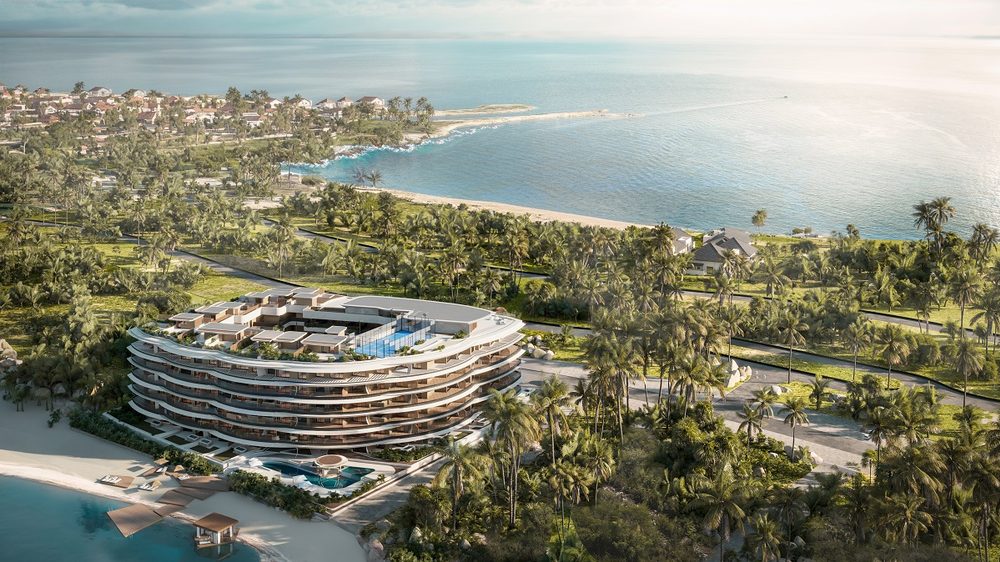
As a CONFOTUR-approved project, Puerto Marina offers its first buyers an exemption from the 3% property transfer tax and benefits from a property tax (IPI) exemption period established under Dominican law. These incentives are designed to encourage tourism investment and apply directly to pre-construction purchases like those at our Cap Cana development, with delivery in 2029.
What does 'CONFOTUR-approved' mean for a pre-construction purchase?
When you see that Puerto Marina is “CONFOTUR-approved,” it means the project officially qualifies for the incentives under the Dominican Republic's Law 158-01, The Tourism Incentive Law. This isn't a marketing term; it's a formal legal status granted by the government to developments that enhance the country's tourism infrastructure. For a pre-construction project like Puerto Marina, with delivery scheduled for 2029, this approval is a foundational piece of the offering.
Our developer, Utopía Development, has secured this status for the project, which is what puts the exemptions within reach of the first owners of our 97 residences. How the exemption applies to a particular unit and owner is a question for your own attorney. The exemptions are not something you need to apply for retroactively; they are built into the legal framework of your purchase from the very beginning. The process is overseen by your attorney at closing to ensure the benefits are correctly registered to your title.
Which specific taxes does the CONFOTUR law cover?
The CONFOTUR law provides two major tax benefits for the first buyer of a qualifying property. First, it exempts the buyer from the 3% Transfer Tax (Impuesto de Transferencia) that is normally due when a property title is transferred. Second, it provides an exemption from the 1% annual property tax, known as the IPI (Impuesto al Patrimonio Inmobiliario).
It is worth being precise about where the documented ground ends. What is sourced is that the CONFOTUR exemptions attach to the two property taxes above, and that earnings from renting a residence are assessed under a separate part of the Dominican tax code. No source we hold addresses in terms how those two provisions meet, so this page states the sourced position rather than a flat rule, and how it lands on your own purchase is a question for your attorney. The table below sets the two side by side.
| Tax | Standard Rate | At Puerto Marina (a CONFOTUR-approved project) |
|---|---|---|
| Property Transfer Tax | 3% of property value | 0% (Exempt) |
| Annual Property Tax (IPI) | 1% on value above an exempt threshold | 0% (Exempt for the project's term) |
| Tax on Rental Income | Varies (e.g., a 27% withholding for non-residents, on gross) | Assessed separately under the income-tax rules; how CONFOTUR meets it is a question for your attorney |
How does the property tax (IPI) exemption work for an owner at Puerto Marina?
The Dominican law provides a fifteen-year exemption from the 1% annual property tax (IPI) for qualifying tourism projects. It's important to understand how this applies. The exemption period for the project begins upon the completion of construction, which for Puerto Marina is in 2029. The benefit of this exemption passes to the first-time buyers who purchase their residence directly from the developer, Utopía Development.
The IPI is normally calculated on the value of a property above an annually adjusted threshold. With the CONFOTUR exemption, this tax is waived for the duration of the project's benefit period. The fifteen years is the period the law sets for qualifying projects; what a particular owner of a particular unit receives is a question for your own attorney, because the tax authority's published guidance for first acquirers states no term. This benefit is significant, but it is tied to the initial purchase; it does not transfer to a new owner if you decide to sell the property later. Your attorney will play a key role in ensuring this exemption is correctly recorded on your property's title at the time of closing, as it is not an automatic process.
How do the CONFOTUR exemptions sit alongside tax on rental income?
This is the question buyers ask most often, and it deserves a precise answer. What is documented is that the CONFOTUR incentives attach to the ownership of the physical property — the 3% transfer tax and the 1% annual IPI — and that earnings from renting a residence are assessed under a separate part of the Dominican tax code. No source we hold addresses in terms how those two provisions meet, so this page states the sourced position and leaves the specific case to your attorney. An owner at Puerto Marina who places their residence in our optional managed rental program, which projects a 10-12% annual ROI, should plan on the rental-income rules applying to that income.
For non-resident owners, Dominican tax law requires a 27% withholding on gross rental income, with no deductions for expenses, as a single and definitive payment. Short-term tourist rentals are also subject to an 18% ITBIS tax (the Dominican version of VAT), and responsibility for collecting and remitting it sits with the owner letting the residence, not with the platform that takes the booking. Rates change, so confirm the current figures before you rely on them. For planning purposes the useful distinction is that the CONFOTUR exemptions reduce the cost of acquiring and holding the property, while the rent it earns is assessed on its own footing. Your tax advisor can provide clarity on how these rules apply to your personal circumstances.
What is the process for securing my CONFOTUR benefits?
Securing the CONFOTUR benefits for your Puerto Marina residence is a straightforward part of the legal closing process, handled by professionals. It is not something buyers need to navigate on their own with the government. Here are the key stages:
-
Purchase Directly from the Developer The CONFOTUR exemptions are exclusively for the first owner of a new property. Your purchase agreement for a residence at Puerto Marina establishes your eligibility.
-
Attorney's Due Diligence As part of the purchase process, your independent attorney will verify the project's CONFOTUR status and prepare all documentation required for closing.
-
Title Registration at Closing Upon delivery of your residence in 2029, your attorney will manage the transfer of title. They will file the deed with the land registry, ensuring the CONFOTUR exemptions are explicitly recorded on it.
-
Receive Final Title The final registered title deed you receive is your official proof of ownership and the tax exemptions tied to it. This document confirms that the 3% transfer tax was waived and the IPI exemption is in place.
Common questions
- Is CONFOTUR a new law?
- No, CONFOTUR is based on Law 158-01, which was passed in 2001. It is a well-established legal framework that has been a cornerstone of the Dominican Republic's tourism development strategy for over two decades.
- What happens to the tax exemption if I sell my Puerto Marina condo?
- The CONFOTUR benefits, including the transfer tax and IPI exemptions, are granted to the first buyer of the property only. They are not transferable upon resale. The next owner would be subject to the standard tax laws at the time of their purchase.
- Do I have to apply for CONFOTUR status myself?
- No. The developer, Utopía Development, is responsible for securing CONFOTUR approval for the entire Puerto Marina project. Your attorney's role during the closing process is to ensure these project-wide benefits are correctly applied and registered to your specific unit's title.
Want the details for your own situation?
Ask about availability, layouts or the buying process, and someone from the sales team will get back to you.
Get in touch